
Web 2.0 is the current state of online technology as it compares to the early days of the Web, characterized by greater user interactivity and collaboration, more pervasive network connectivity and enhanced communication channels.
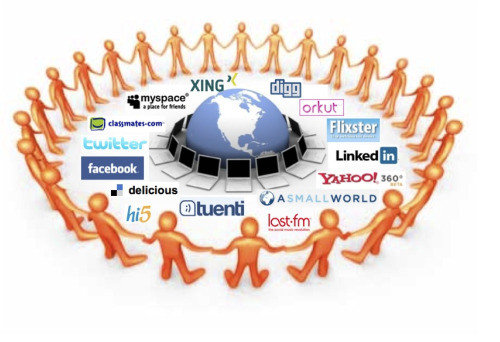
Increasingly, websites enable community-based input, interaction, content-sharing and collaboration. Types of social media sites and applications include forums, microblogging, social networking, social bookmarking, social curation, and wikis.
When we mention affordance in technology, it means a method in which technology can support certain things or concepts. We can create a graphic organizer, poster, interactive, presentation and much more to teach, present, and communicate through variety of people. Resources from various educational website can boost academic experience for current and future students.

However, critics of Web 2.0 maintain that it makes it too easy for the average person to affect online content, which can impact the credibility, ethics and even legality of web content. There are challenges we face, but it's part of process to creating an innovation and web 3.0

However, critics of Web 2.0 maintain that it makes it too easy for the average person to affect online content, which can impact the credibility, ethics and even legality of web content. There are challenges we face, but it's part of process to creating an innovation and web 3.0


